How to Make Authentic Thai Curries with Natural IngredientsJoin me next Saturday, July 13, for my "Smoke & Fire" Curry Class All of the curries in this class are based on fresh and local ingredients, whenever possible.
When I grew up, in the 1960s, Thailand was a very different place than it is today. For example, in our small rural village, we had no electricity. It is hard for many people in North America to imagine what that might be like.
For us, it meant we used candles or lanterns to light our houses at night. Also, it meant we had no radio. And television was nowhere to be found, except maybe in Bangkok. Also,
there was not a mobile phone to be found anywhere in the world, and Thailand was no exception. I read books with a candle, under my blankets at night. Most importantly, though, the food that we ate was untouched by food processing companies. It was the vegetables that we grew ourselves, or the livestock that we raised for protein. We knew our vegetables, our spices, our herbs. And we loved them. I bring that same love and dedication to
this class. And the food is still made of the same local ingredients, whenever I can find it.
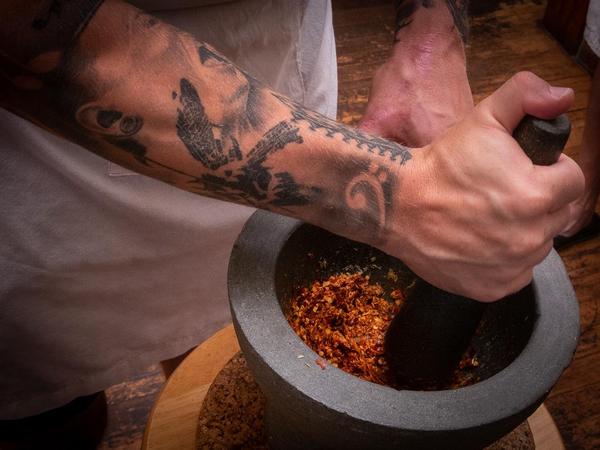
Learn why a Mortar & Pestle is still the best tool for the job
|
It's hard work but it pays off! There are many reasons why a traditional Mortar & Pestle is the best way to prepare food. Here are some of them: Unparalleled Flavor Release: The grinding and pounding motion of the pestle against the mortar releases essential oils and aromatic compounds from herbs, spices, and other ingredients. This results in a more intense and vibrant flavor profile compared to using a
food processor or blender. Superior Texture Control: Unlike blades that simply chop and slice, the pestle allows for precise control over the texture of ingredients. You can achieve anything from a coarse grind to a smooth paste, depending on the desired outcome. Versatility: Thai mortar and pestle sets are not just for curry pastes. They can be used to grind spices, crush herbs, create flavorful sauces, prepare dips and
salsas, and even make desserts like ice cream. Preservation of Nutrients: The gentle grinding action of the pestle helps to preserve the delicate nutrients and vitamins in ingredients that can be damaged by high-speed blending. Authenticity: Using a mortar and pestle is a traditional method of food preparation in many cultures, particularly in Southeast Asia. It adds an authentic touch to your cooking and allows you to
connect with culinary heritage.
Secret curry sauces pump out the flavour
|
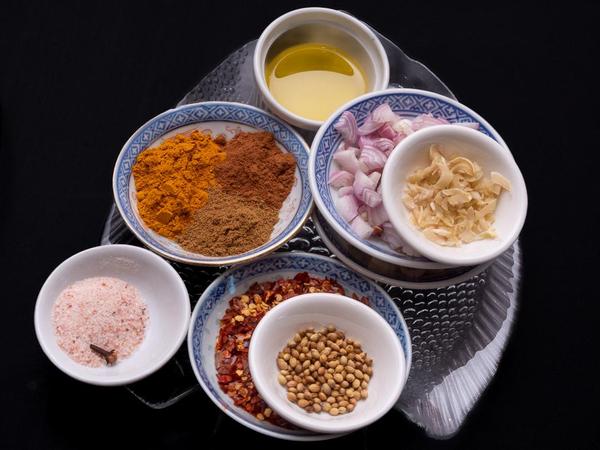
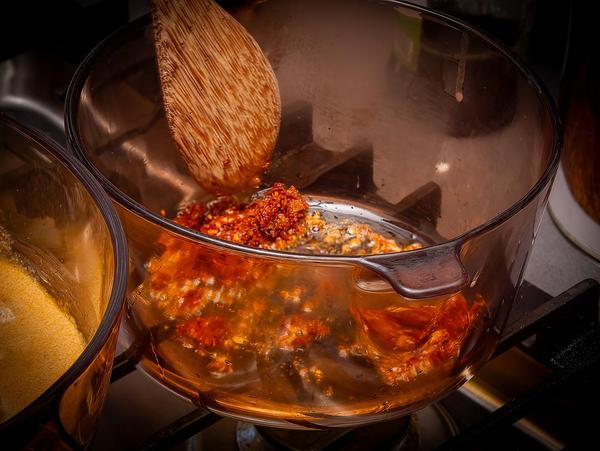
Thai curry sauces are a harmonious balance of sweet, salty, sour, and spicy elements. At the heart of each curry sauce lies a fragrant paste, a blend of fresh herbs, spices, and chilies that vary depending on the type of curry. Whether it's the fiery red, mellow yellow, or creamy panang, each paste imparts its unique character to the sauce. Coconut milk, a staple ingredient in most Thai curries, adds a luscious creaminess and subtle sweetness that balances the heat of the
chilies. It also contributes to the sauce's velvety texture, which coats the ingredients and enhances their flavors. Thai curry sauces are not only delicious but also versatile. They can be paired with a variety of proteins and vegetables, making them a popular choice for both meat-eaters and vegetarians. Their vibrant colors and captivating aromas make them a feast for the eyes as well as the palate.
All adding up to a delicious feast!
|
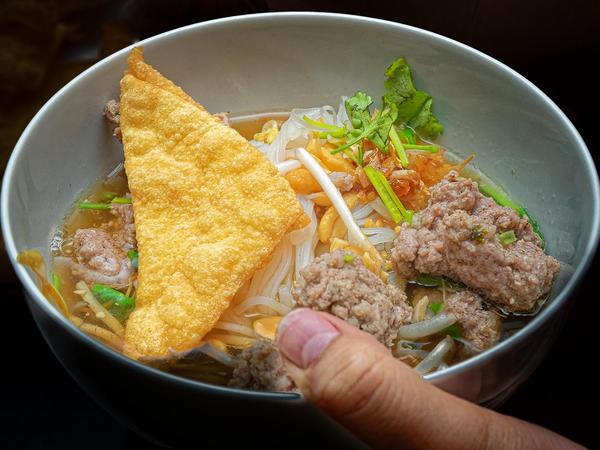
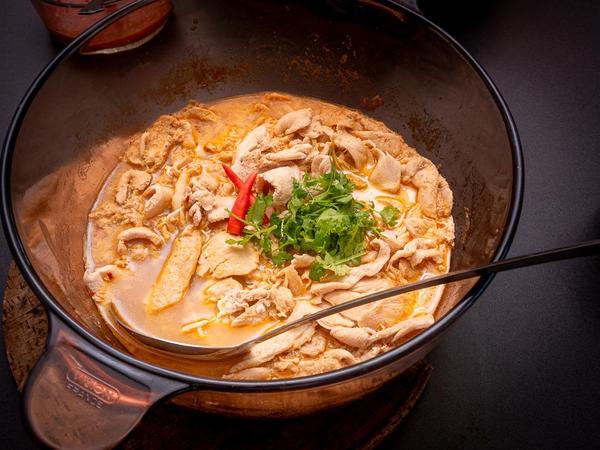
This noodle soup is a wonderful meal in itself. Bangkok Noodle Soup is served with a variety of condiments which each person can add to their taste. These condiments are served in separate little bowls on the table. They should contain: vinegar, fish sauce, ground peanuts, sugar, dried
chillies, bean sprouts, cilantro, green onions deep-fried garlic, and fresh lime juice.
Each person should be given a bowl and then add condiments they would like into the bowl. After they have added the condiments, the soup stock is poured into the bowl and the meat and noddles are added. Finally, the deep friend won tons, or pork rinds are added as a garnish.
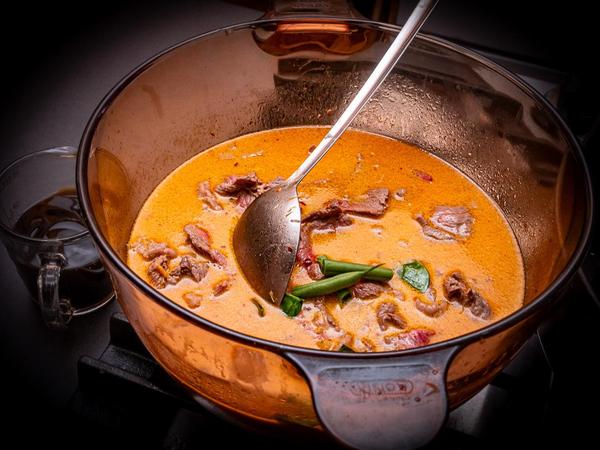
Thai Red Curry is an aromatic dish that enhances the bold flavours of Thai cuisine. Its foundation lies in a rich red curry paste, a blend of dried red chilies, lemongrass, galangal, garlic, shallots, and a medley of spices. This paste is simmered in creamy coconut milk, creating a luxurious sauce that balances heat with sweetness and savoury
flavours. The curry partners well with all kinds of protein ingredients including chicken, succulent beef, or firm tofu. All soak up the fragrant sauce, while vibrant vegetables like bell peppers, bamboo shoots, and Thai basil add texture and freshness. The heat generated by the chilies is tempered by the coconut milk's richness and aromatics' complexity. Thai Red Curry is not only a feast for the taste buds but also a visual delight. The
vibrant red hue of the curry paste, contrasted with the verdant greens of herbs and vegetables, makes it an enticing addition to any table. Whether enjoyed with steamed jasmine rice or alongside noodles, Thai Red Curry offers a culinary adventure that transports you to the heart of Thailand.
Thai Panang Curry, also known as Phanaeng Curry, is a rich and flavorful dish that embodies the complexity of Thai cuisine. It is similar to red curry but boasts a thicker, creamier consistency and a unique flavour variation thanks to the addition of roasted peanuts or peanut butter. The curry paste, a blend of dried red chilies, lemongrass,
galangal, shallots, garlic, and spices, is simmered in coconut milk, creating a luxurious sauce that coats every ingredient. Panang Curry often features tender slices of beef, chicken, or tofu, simmered until infused with the fragrant sauce. The dish is typically less spicy than red curry, making it a popular choice for those who prefer a milder heat level. The addition of peanuts adds a subtle nutty flavour and a velvety texture to the curry. It is often
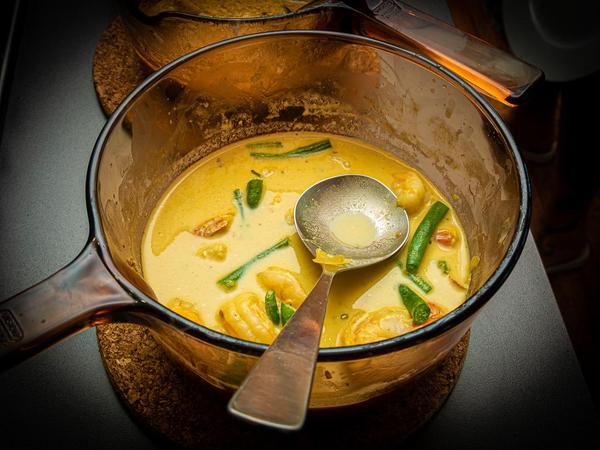
garnished with a sprinkle of chopped peanuts, fresh kaffir lime leaves, and a drizzle of coconut cream for an extra touch of richness. Panang Curry offers a harmonious blend of sweet, savoury, and spicy flavours. Whether enjoyed with steamed jasmine rice or alongside Roti (a sort of Thai pancake), it is a dish that captures the essence of Thai culinary artistry. A creamy smooth, spicy curry that goes best with halibut, cod other white fish, or chicken. Thai Yellow Curry, known as "Gaeng Karee" in Thai, is a milder and more aromatic counterpart to its fiery red cousin. It boasts a beautiful golden hue derived from turmeric, a spice celebrated for its earthy flavour and vibrant colour. The curry paste, a blend of fragrant spices like cumin, coriander, lemongrass, and galangal, is simmered in coconut milk, creating a luscious and creamy
sauce. Yellow Curry often features tender pieces of chicken, beef, or tofu, simmered until infused with the rich flavours of the sauce. Potatoes are a common addition, providing a hearty element and soaking up the delicious curry. The dish is often finished with a touch of fish sauce and a hint of sweetness from palm sugar. Yellow Curry's milder heat makes it an approachable option for those who prefer a gentler spice level. It is a comforting and satisfying
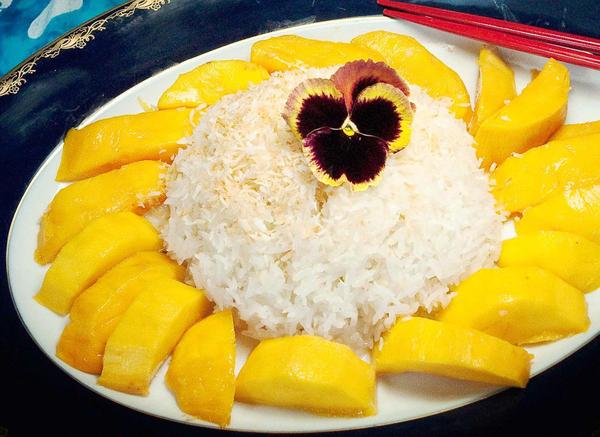
dish, often enjoyed with steamed jasmine rice or alongside Roti. And for Dessert... Mango and Sticky Rice! This dish does not really need a lot of explanation. It is simply delicious. If you’d like to attend this class, please get in touch ASAP, as we shall fill these places on a first-come, first-serve basis. Call us at 250-656-1227, or simply respond to this emails. I hope to see you
soon! Sincerely, Kallayanee |
|
|